aul Scholes remains one of the clearest interpreters of Manchester United’s decline and renewal, largely because his judgments come from experience rather than distance. The former midfielder spent nearly two decades inside the club’s first-team culture, winning 11 Premier League titles and two Champions League trophies before retiring in 2013. When Paul Scholes speaks about United, supporters hear more than a television opinion;they hear the standards of a dressing room that once demanded ruthless consistency. His criticism can be blunt, sometimes uncomfortable, but it is rarely detached from the realities of elite football. He knows what a high-tempo training session feels like。how quickly a quiet dressing room can lose its authority and why a technically gifted player may still fail to control a match.
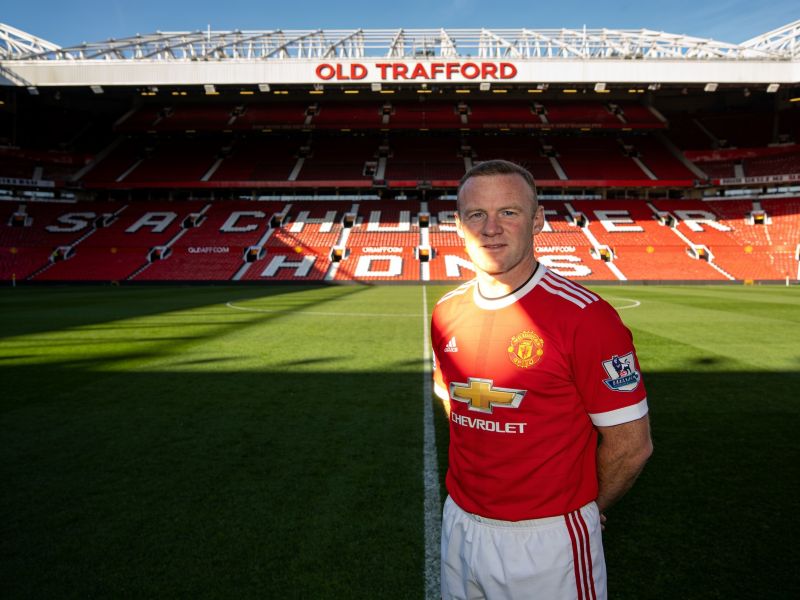
During his playing career, Paul Scholes built a reputation on details that rarely appeared in highlight packages. His late runs into the penalty area, disguised passes and sharp switches of play made him central to Sir Alex Ferguson’s strongest Manchester United teams. The midfielder did not rely on spectacular physical power. Instead。he created time for himself with body movement, quick scanning and an instinct for where the next pass would open the pitch. Paul Scholes was also one of the Premier League’s most effective long-range shooters, although his broader influence was often more important than his goals. Teammates trusted him to set the rhythm, slow a chaotic game or accelerate an attack with one touch. That control helped define United’s football during the club’s most successful modern period.His public role changed after retirement, but Paul Scholes never became a soft-focus nostalgia act. As a television pundit, he has questioned recruitment, tactical preparation and the mentality of players wearing the United shirt. His comments often attract headlines because he speaks in short, direct terms, yet the substance usually points toward a larger problem: a club can spend heavily and still lack a coherent football identity. Paul Scholes has repeatedly emphasized the value of midfield balance, technical security and aggressive movement without the ball. Those points sound simple until a team fails to perform them under pressure. Watching United from the studio。he often notices the same issues he would have exposed on the pitch—slow circulation, disconnected lines and attackers receiving possession with too few options around them.Paul Scholes also tested himself away from commentary. He accepted a brief coaching role at Oldham Athletic in 2019, an experience that lasted only a handful of matches but offered a glimpse into the difficulty of moving from elite player to responsible manager. The job required more than explaining football ideas. It demanded recruitment decisions。staff management, media handling and the patience to build habits with players who had different levels of ability and confidence. Paul Scholes left after 31 days, citing concerns over the club’s direction. The episode did not erase his standing as a football thinker, though it did underline a useful distinction: understanding the game at an exceptional level does not automatically provide the political or organizational skills required to run a club. His short managerial spell made his later analysis more credible in some ways and more open to scrutiny in others.The lasting appeal of Paul Scholes lies in that tension. He is both a champion of Manchester United’s traditions and a critic of the way those traditions have sometimes been used as a shield against hard questions. Younger supporters know him through clips and studio appearances, while older fans remember the red-haired midfielder arriving late at the edge of the box and striking the ball before defenders could set themselves. Paul Scholes belongs to a generation that treated concentration as a professional obligation, not a motivational slogan. His standards may sound severe in an era shaped by constant media noise, but they explain why his observations continue to travel. Manchester United may appoint new managers。reshape its squad and redesign its sporting structure, yet Paul Scholes remains a reference point whenever the debate turns to control, courage and the level required at Old Trafford.